John Hall, CEO
Over the last 25 years, Texas added 10 million residents, doubled its GDP, attracted new industries and set electricity-demand records. Yet, emissions were reduced substantially across all sectors.
The rapid expansion of data centers now puts all that progress at risk.
Texans breathe cleaner air because we worked for it. And the results were extraordinary. Power-sector nitrogen oxide emissions declined by roughly two-thirds between 2002 and 2024. Sulfur dioxide emissions fell by more than 80%. Even carbon dioxide emissions declined.
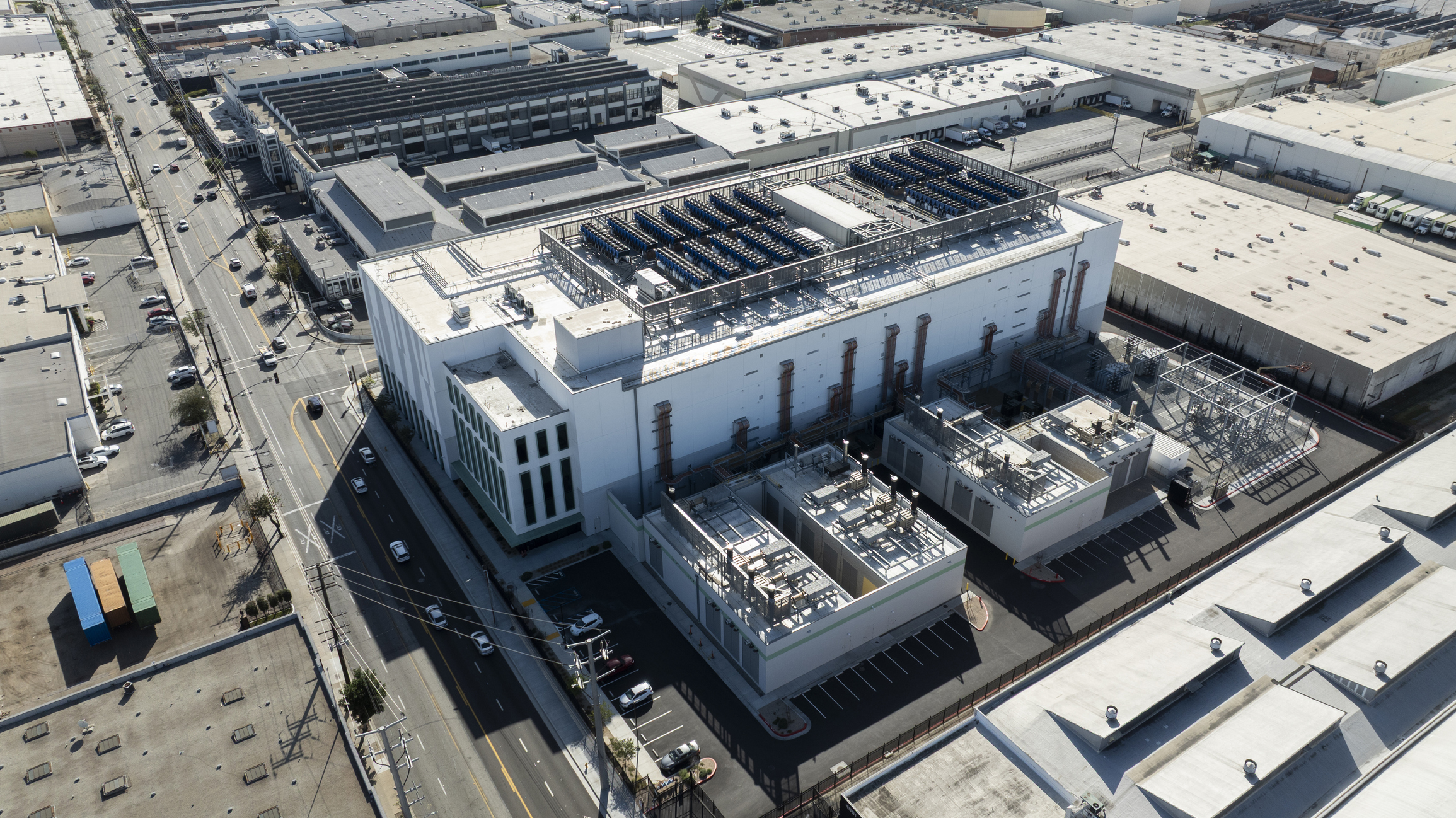
Enter data centers, which could blow a hole through energy-demand projections yet face few restrictions on where they get their power or how much they pollute. These massive campuses can consume as much electricity as a city and require substantial new sources of power generation.
Some companies are considering “bring your own power” strategies that would turn campuses into dedicated power plants that could avoid the pollution requirements regular power plants must follow. In HARC’s modeling, if all new data center demand was met with on-site natural gas engines, they would produce more than four times the nitrogen oxide emissions of grid power. Pollution controls would narrow that gap, but even controlled engines would emit more than twice as much as the grid.
HARC’s analysis suggests the projected Texas data-center pipeline will almost certainly lead to emissions increases. The question is by how much and how soon. In one case we modeled in which all new data centers use the current grid mix, power-sector nitrogen oxides more than double in just 5 years. Meanwhile, fine particulate matter and carbon dioxide would nearly double. These results put data centers in the position of emitting more than the rest of the industrial sector, including power plants, refineries, petrochemical and high-tech facilities, and other heavy industries.
Decades of progress on air quality, gone like the wind.
That should concern every Texan. Not because data centers lack value, but because those gains belong to us.
Families invested in cleaner electricity. Industries installed expensive controls. Manufacturers made cleaner vehicles, and Texans bought them. Local officials made difficult decisions. Investors built Texas into a solar and wind powerhouse. Public employees, researchers, community organizations and business leaders spent years implementing plans to reduce pollution.
State leaders have focused on curbing data centers’ effects on communities and on the cost and availability of water and electricity. Yet air pollution has gone largely unmentioned. That must change. We all earned cleaner air, and we all should defend it. The looming data-center boom deserves an emissions plan worthy of the cleaner air Texans breathe today.
Technology companies will understandably point to investment, tax revenue, construction and the importance of artificial intelligence and cloud computing. Those benefits are real. But do they erase the increased pollution from private power plants or compensate Texans for the health and quality-of-life consequences of an uncontrolled power buildout?
Thirty years from now, Texans should not conclude that all this clean-air work merely created room in our pollution budgets to give trillion-dollar technology companies a free pass.
Texas should apply to data centers the strategies that achieved so much over the last quarter century. Treat them as the major industrial facilities they are. Require developers to disclose how much electricity they expect to use, where it will come from, and how much pollution their choices will produce. They should be required to comply with equivalent clean air standards that refineries, petrochemical facilities, and power plants must when they construct new facilities or expand existing ones. State and local reviews should also evaluate the cumulative effects of campuses and regional clusters, rather than each generator or project phase in isolation.
We should favor facilities that minimize pollution through energy efficiency, battery storage, cleaner backup systems and new low-emission electricity supplies that require little or no water. Companies creating unprecedented demand should bring the clean generation and infrastructure needed to serve it. They should not earn green accolades for consuming the cleanest power already on the grid while leaving everyone else with a dirtier electricity mix.
Data centers will need plentiful energy sources long into the future. If there has ever been a case to be made for investment in sustainable innovation, this is it. Rather than deploying yesterday’s power technology, we should invest in energy solutions that power our economy without fouling the air we breathe.
We do not have to reject data centers or the digital economy to protect our cleaner air. But we have a narrow window to decide what kind of boom we want. We can require responsible growth, protect Texans’ clean-air investments, and continue moving toward healthier air. Or we can allow a handful of super-rich technology companies to negate decades of hard-won progress.